
When Should You Hire an Interior Designer for a Renovation?
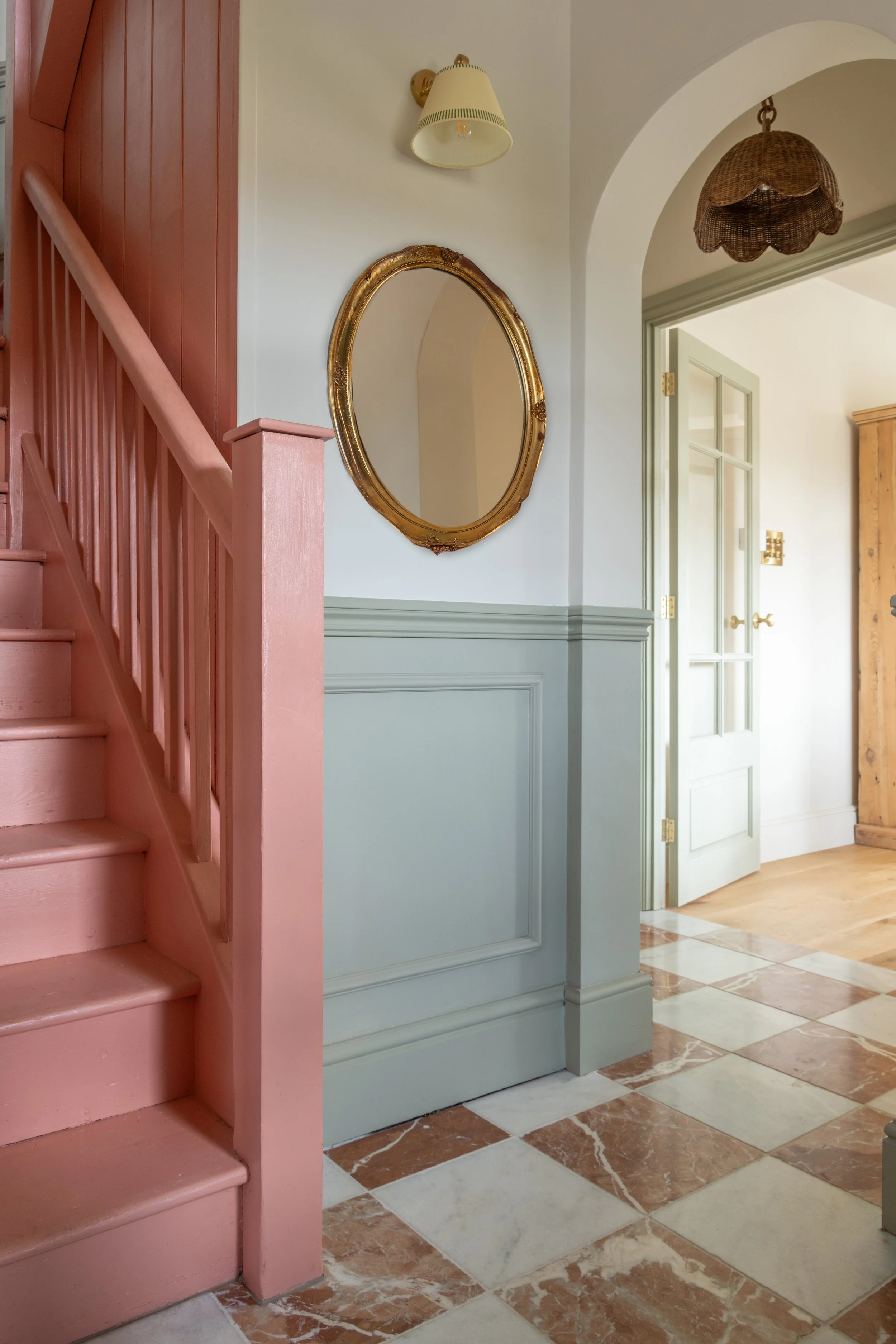
Brook Cottage Hallway
Renovating a house comes with an extraordinary number of decisions. From rethinking the layout to choosing materials, lighting and finishes, there's a lot to consider before a project even begins.
It's easy to assume that interior design comes towards the end of a renovation, once the building work is underway and it's time to think about colours and furnishings. In reality, some of the most important decisions happen much earlier.
Before the building work begins
Ideally, I'd recommend bringing an interior designer on board at the same time as your architect. If you're planning a renovation, extension or significant reconfiguration of your home, considering the interiors from the outset can make a real difference.
This doesn't mean you need to have every cushion and paint colour decided before your architect draws up the plans. It means thinking about how you want to live in the finished space before important decisions become difficult or expensive to change.
Take a kitchen, for example. The architectural plans might show an island, dining area and a run of cabinetry, but have the clearances been considered? Will there be enough room to pull out dining chairs comfortably? Where will the pendant lights sit in relation to the island? Is there enough storage for the way you actually use the space?
These are the details that can easily be overlooked when you're concentrating on the bigger building decisions, yet they have a real impact on how a room works day to day.
By considering the interior layout alongside the architectural plans, I can help identify opportunities to improve the space before construction begins.
It's much easier to move a doorway on a drawing than to change it once the building work is complete.
Getting the layout right is only the beginning
Once the overall layout is established, there's still a considerable amount to think about before a room is ready to be built.
Lighting, electrical positions, bespoke joinery, flooring transitions, sanitaryware and finishes all need to be considered in relation to one another. Many of these decisions are interconnected, which is why I prefer to develop a clear design direction rather than approach each element separately.
Bathrooms are a good example. The choice of vanity, basin and tapware affects the dimensions of the joinery, the plumbing positions and sometimes the location of lighting and mirrors. If those decisions are made independently, you can find yourself compromising on the finished design or making changes further down the line.
The same applies to bespoke cabinetry. A beautiful piece of joinery needs to be considered in terms of its proportions, internal storage, door detailing, finish and relationship with the rest of the room.
Getting these details right isn't about making a project unnecessarily complicated. It's about giving the design the attention it deserves before everything is ordered and installed.
Bringing character to a home
This is particularly important when renovating an older property, where original features, unusual proportions and existing materials can influence the decisions that follow.
I'm passionate about finding ways to preserve the character of traditional homes while making them work for modern life. That might mean retaining original flooring, introducing contemporary lighting or designing bespoke joinery that feels right for the age and proportions of the house.
For me, the most interesting interiors are those that bring old and new together in a way that feels natural, rather than trying to recreate a particular period or follow a passing trend.
It's not too late to bring in an interior designer
Ideally, I'd be involved before the plans are finalised, but that doesn't mean it's too late if your renovation is already underway.
You might have chosen your kitchen but need help bringing the rest of the space together, or you may be struggling to make decisions about finishes, lighting and furnishings. Depending on the stage of your project, there's still plenty an interior designer can help with.
The earlier you seek advice, the more flexibility there tends to be. However, the right level of support will depend on your project and how much involvement you need.
Creating a home that feels right
For me, good interior design starts with understanding the house and the people who live in it. It's about more than selecting beautiful finishes; it's about making sure the layout, materials and details work together to create a home that feels right to live in.
Whether I'm working on a Victorian cottage, a traditional family home or a newer property that needs a little more character, I want the result to feel considered, comfortable and personal.
If you're planning a renovation, involving an interior designer early can help establish that direction before the decisions start to build up.
Through Istigh Interiors, I offer full-service, hybrid and virtual interior design for homeowners across Shropshire and beyond.
If you're considering a project of your own, please get in touch to discuss your plans.